Guided Glow: Revamping Navigation for a Curated Skincare Experience
Role: UX Designer / Product Designer
Timeline: 4 week sprint
Tools: Figma, Google Docs, Google Sheets
Business Context and Optimization Opportunity
Redesigning a skincare e-commerce experience to increase trust, clarity, and conversion.
Polk Apothecary's existing website created friction in the shopping journey limiting user confidence and preventing customers from fully understanding product value, ingredients, and brand mission.
The Core Challenge
Users need ingredient transparency, routine guidance, and brand alignment before committing to a purchase.
Unlike impulse buys, skincare purchases are deeply personal. Customers need reassurance that products will suit their skin, align with their values, and deliver visible results.
Research and Evaluation
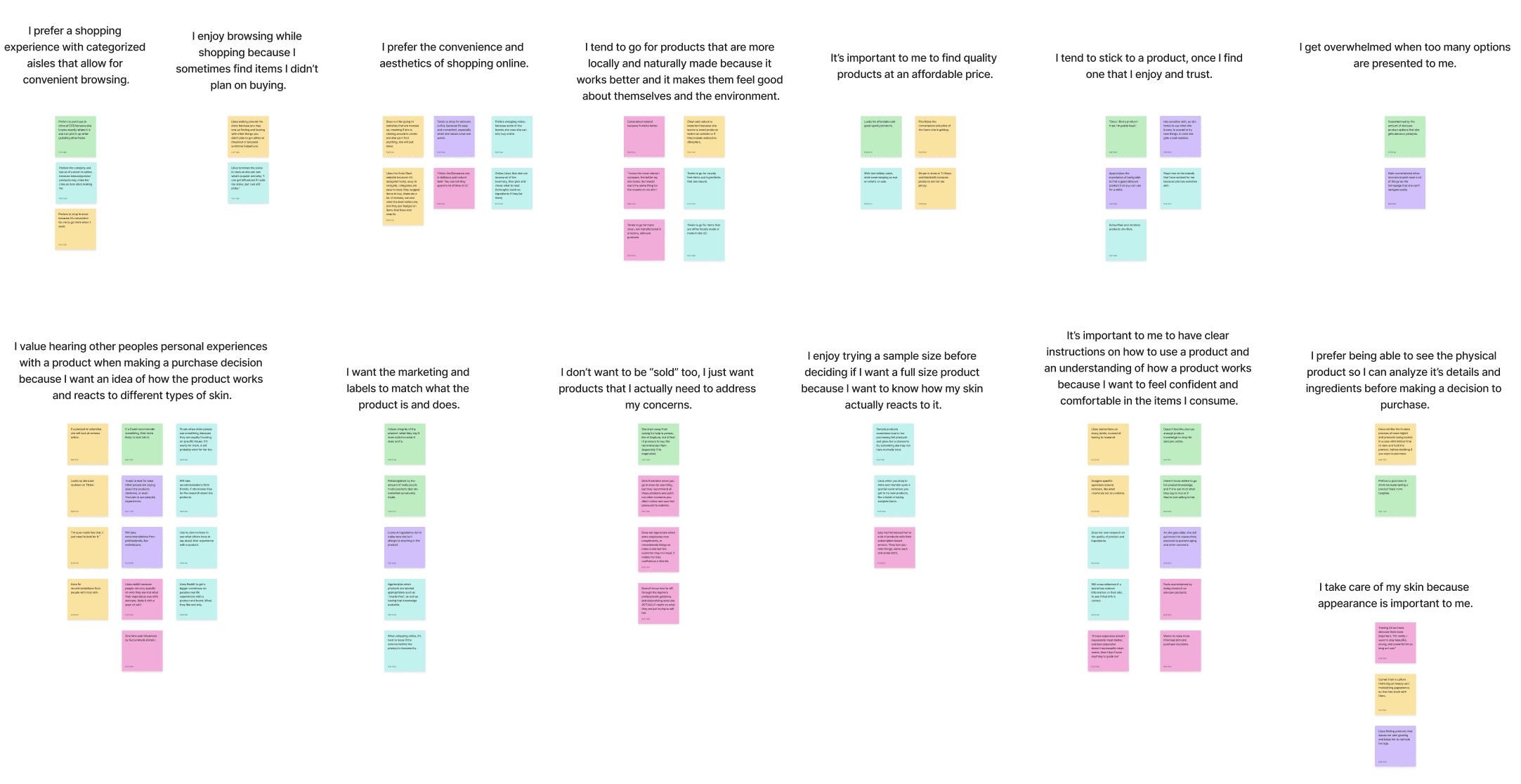
User feedback: interview participants (ages 20-40)
Defining the Core Problem
Design Strategy
Concept Development and Feature Prioritization
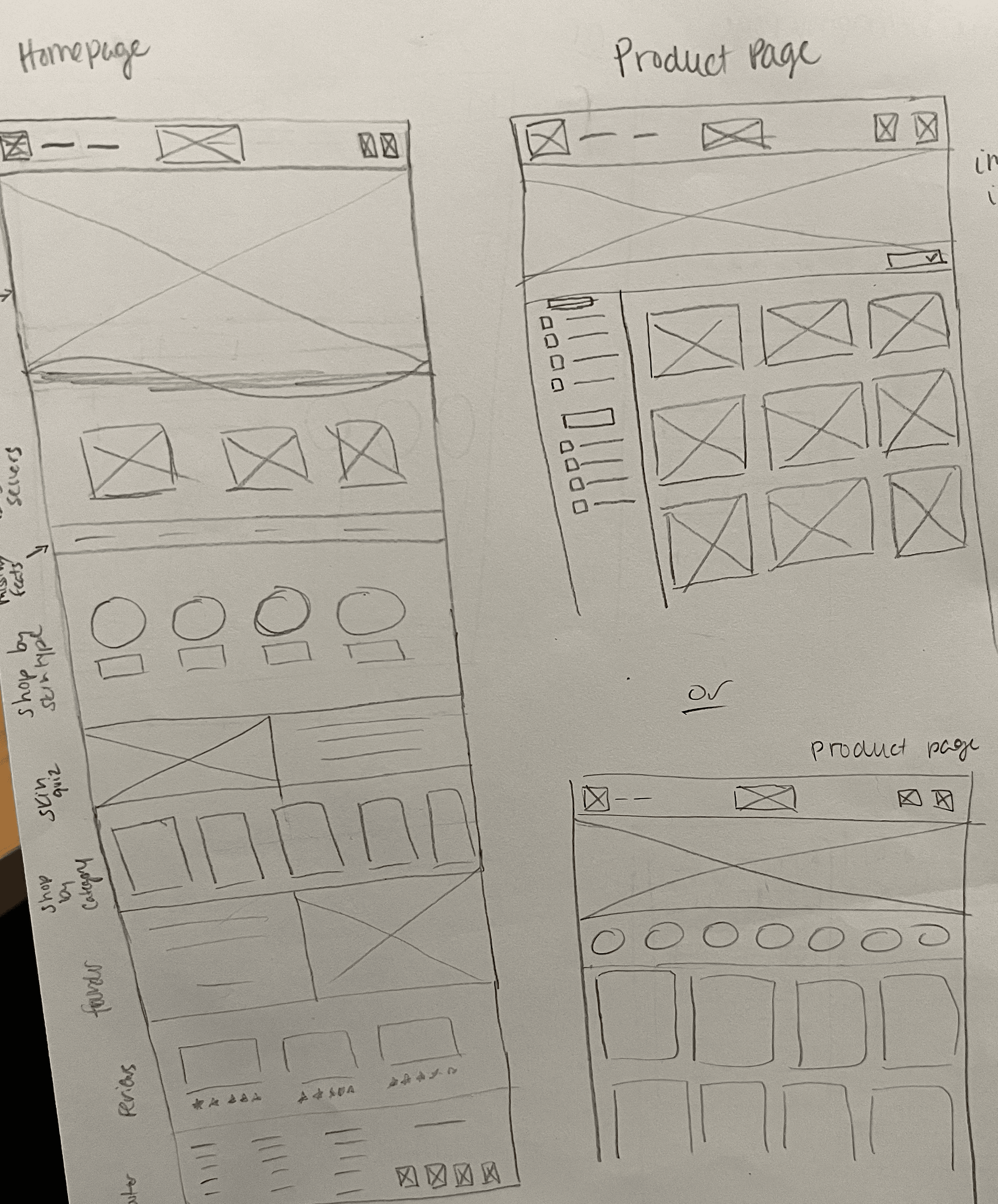
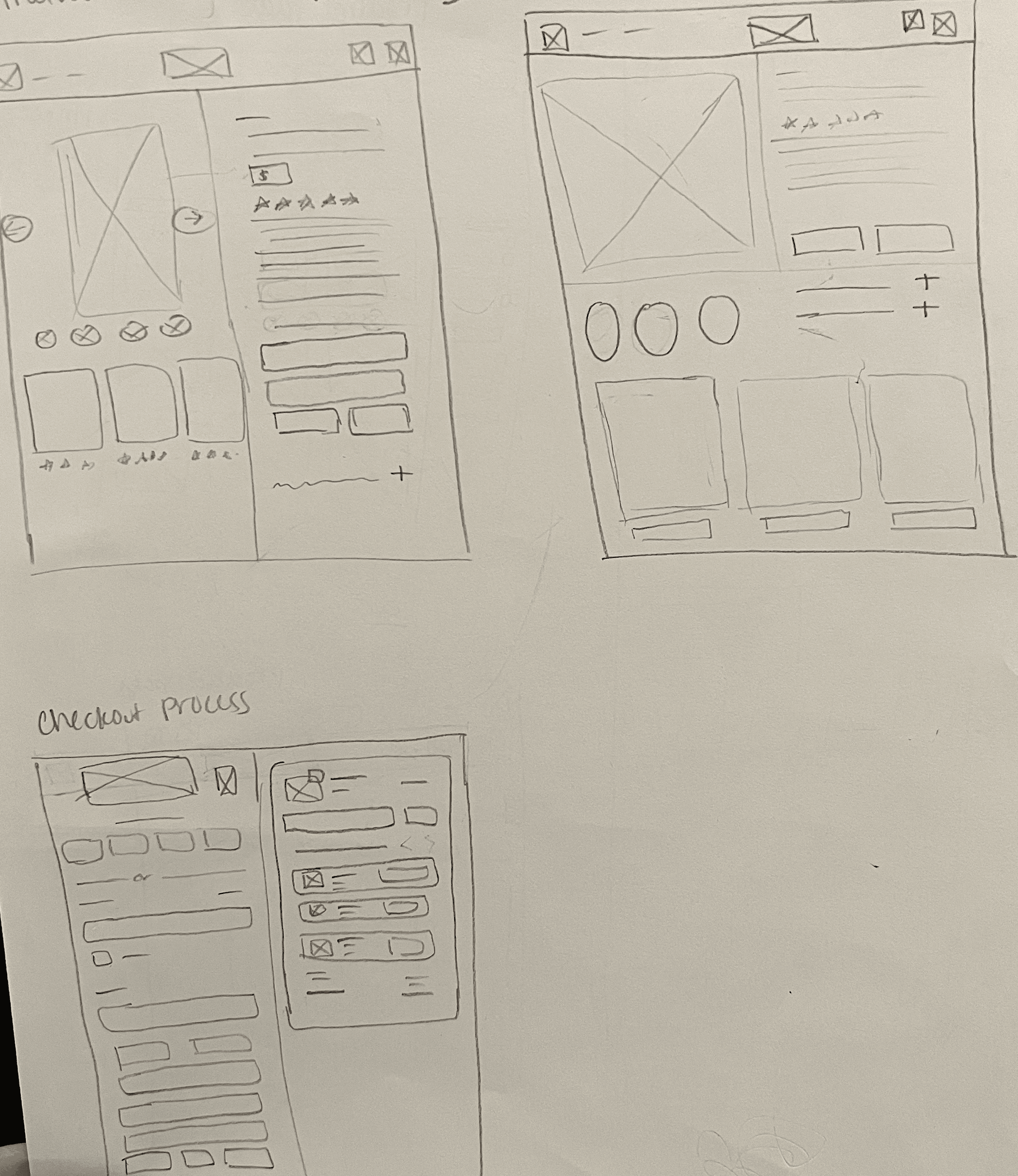
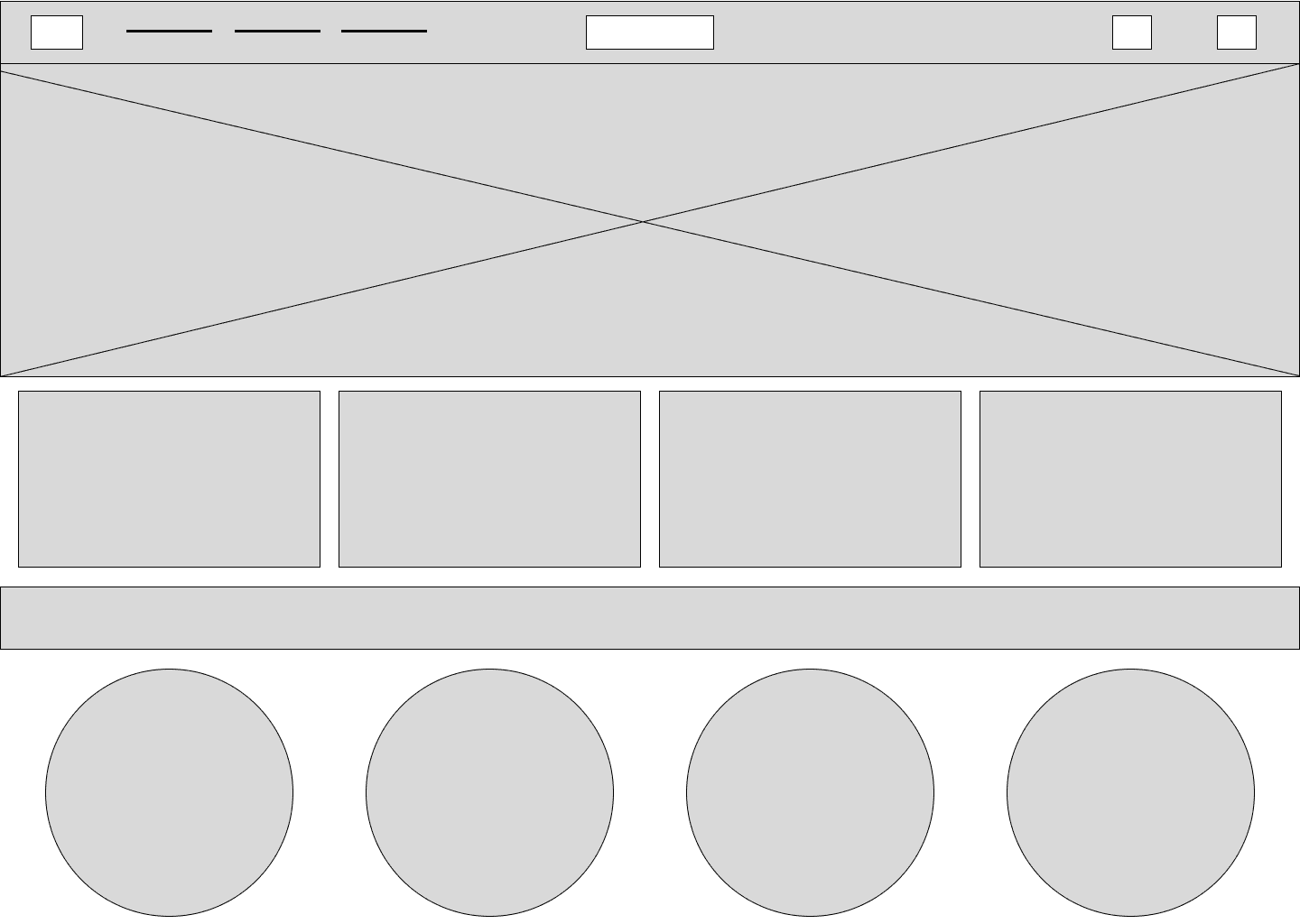
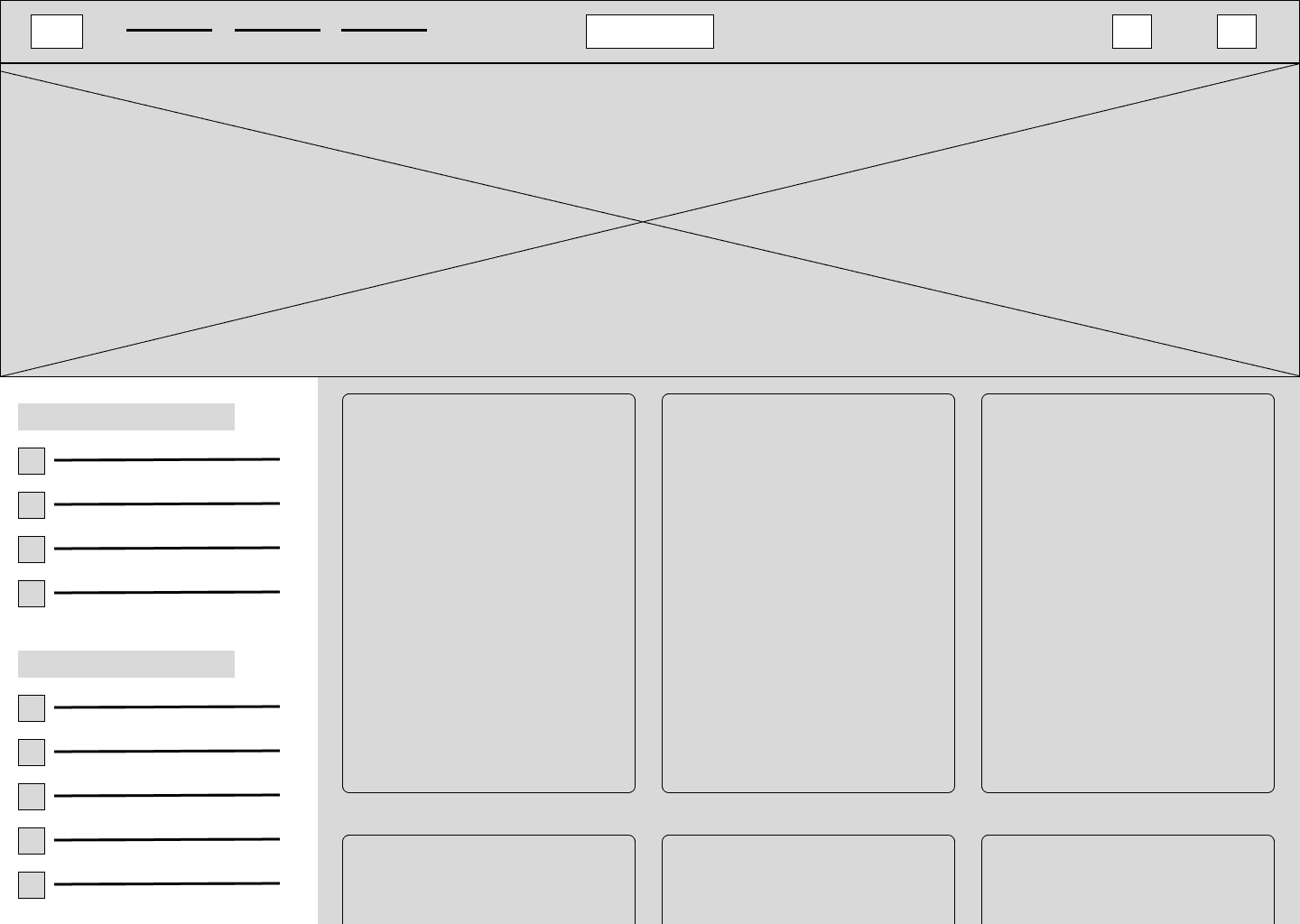
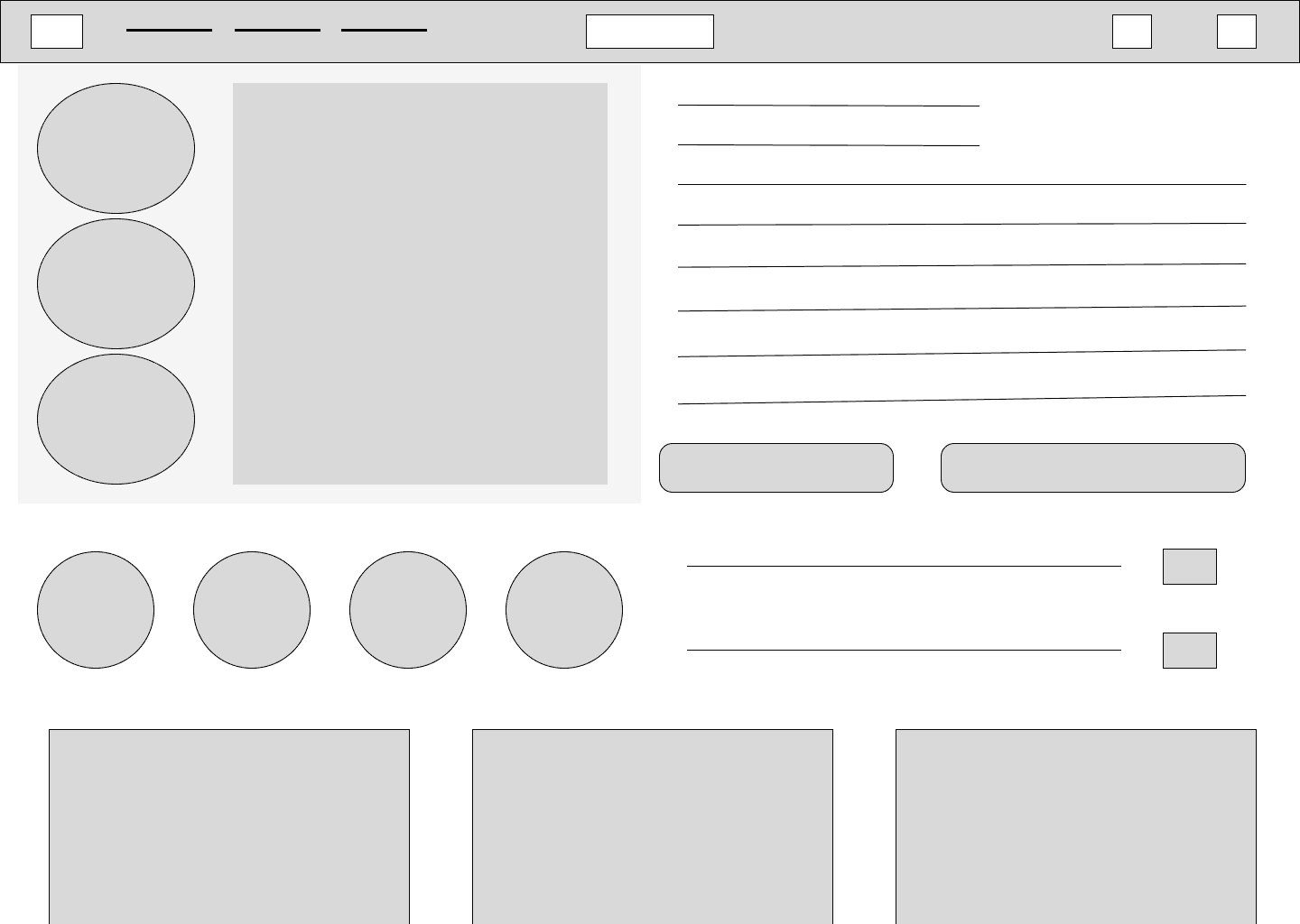
Wireframing a Seamless Confidence Path
Iterative Testing
Final Solution
Impact and Reflection
Systemic analysis revealed friction points disrupting the user journey and creating purchase hesitancy.
Users hesitate to purchase when they lack clarity about ingredients, routine integration, and brand values.
Transforming research into structured, low-friction flows.
Testing validated that reducing friction directly improved user confidence
Trust is built through clarity, education, and frictionless navigation.
Trust is built through clarity, education, and frictionless navigation.
A streamlined shopping journey designed to inform, guide, and convert.
Heuristic Evaluation (LEMERS Framework) key violations included:
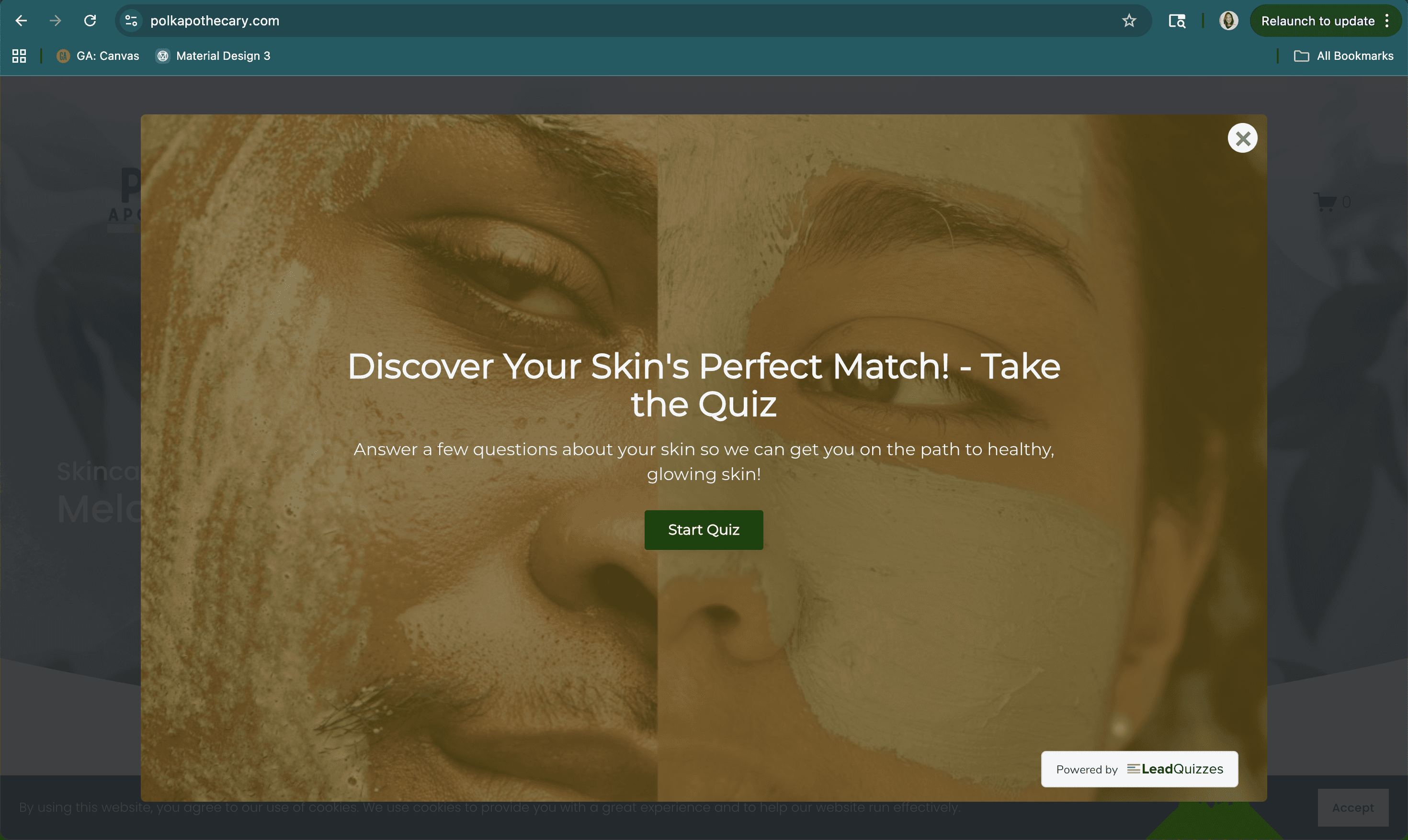
Intrusive full-screen pop-ups
Navigation inconsistencies
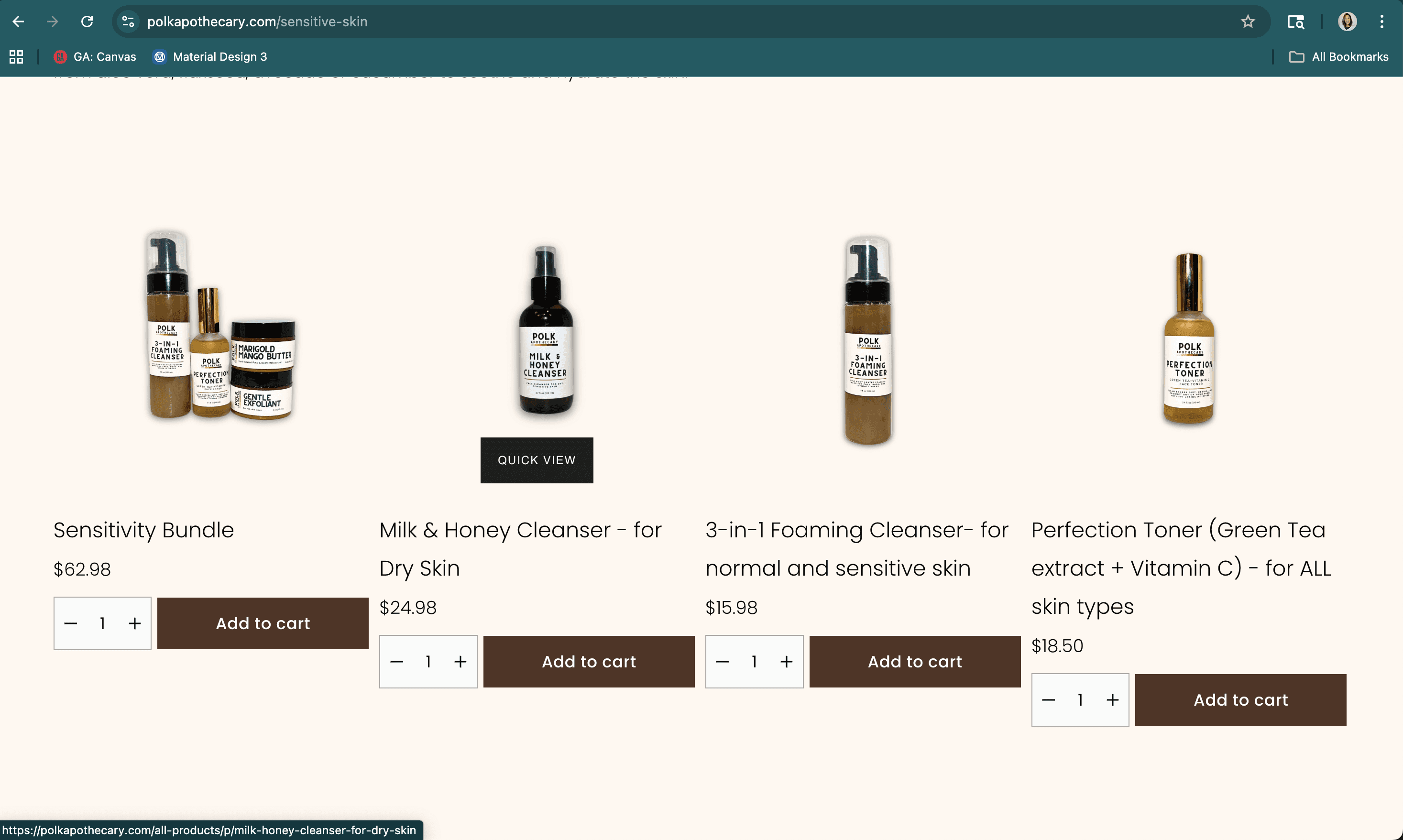
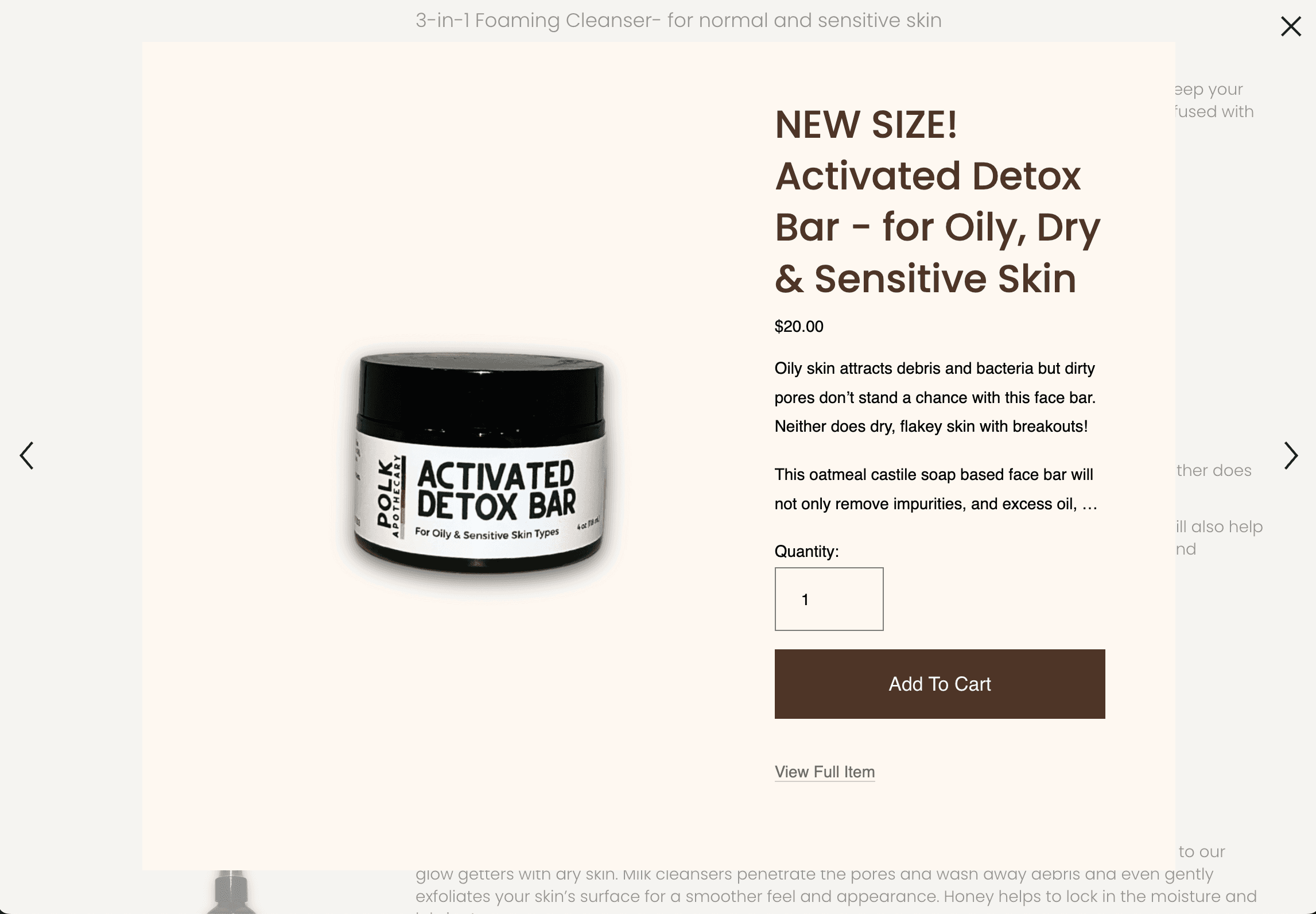
Limited product clarity
Weak guidance through the shopping flow
Competitive Analysis: Successful beauty brands build trust through education and transparency
Users expressed wanting:
Clear ingredient explanations
Honest reviews and social proof
Routine-building guidance
Confirmation that products are natural and clean
Step-by-step clarity when incorporating new products
Top competitors emphasized:
Ingredient education
Lifestyle-based storytelling
Routine builders
Strong review visibility
I established four strategic design pillars:
Educate clearly
Guide through routine
Reduce friction
Reinforce brand values
Early sketches focused on
Ingredient call outs
Routine builder concepts
Review prominence
Simplified Navigation
WIreframes prioritize:
Removal of disruptive pop-ups
Clear product detail hierarchy
Routine recommendations
Breadcrumb navigation
Simplified menu and checkout flow
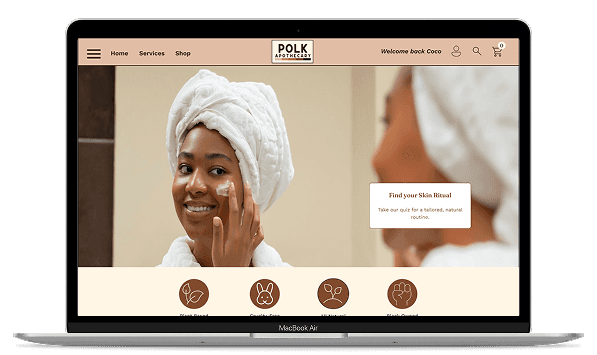
The final hi-fidelity prototype:
Eliminates disruptive barriers.
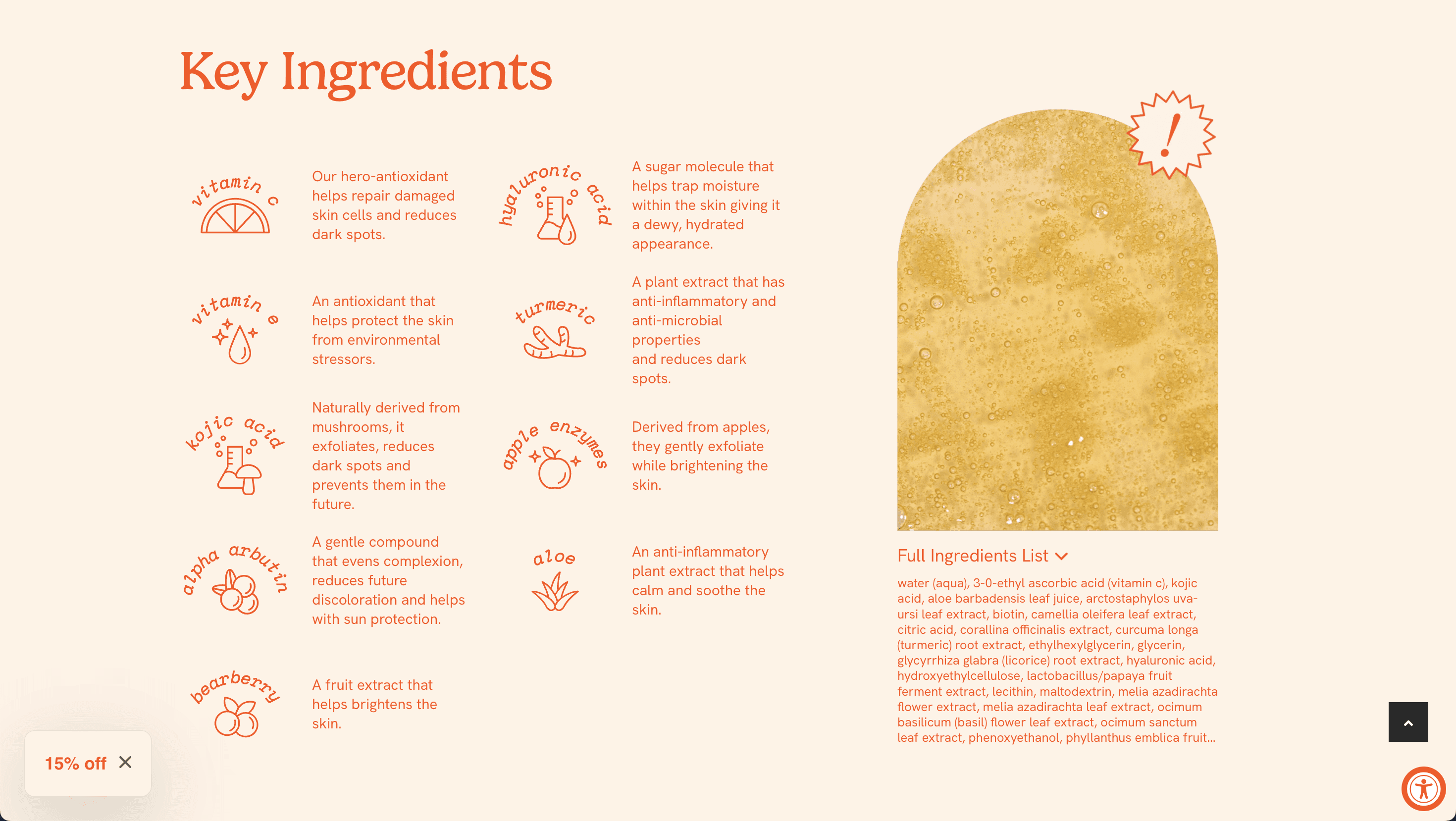
Highlights ingredient transparency.
Reinforces brand values.
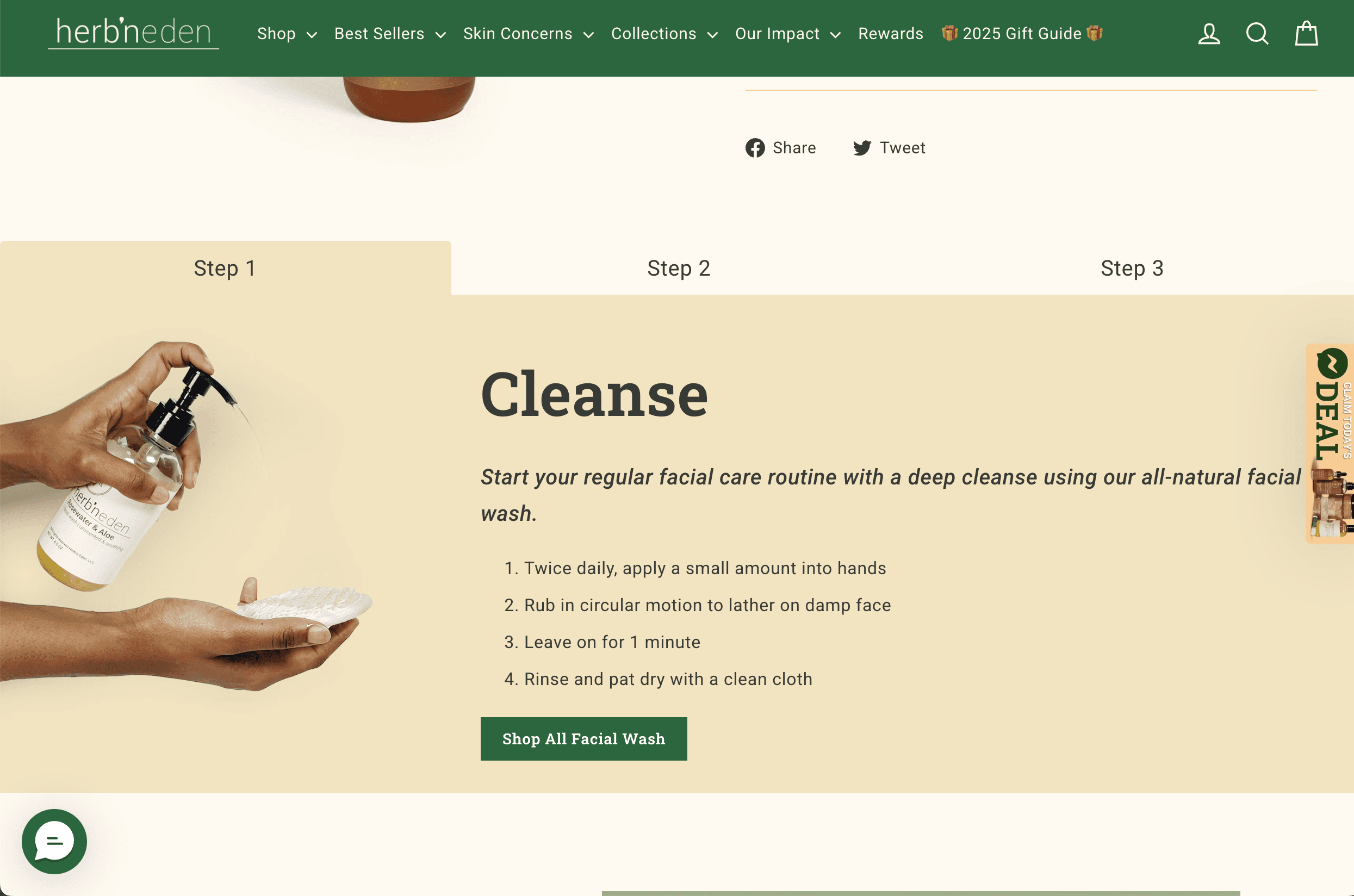
Provides routine-building guidance.
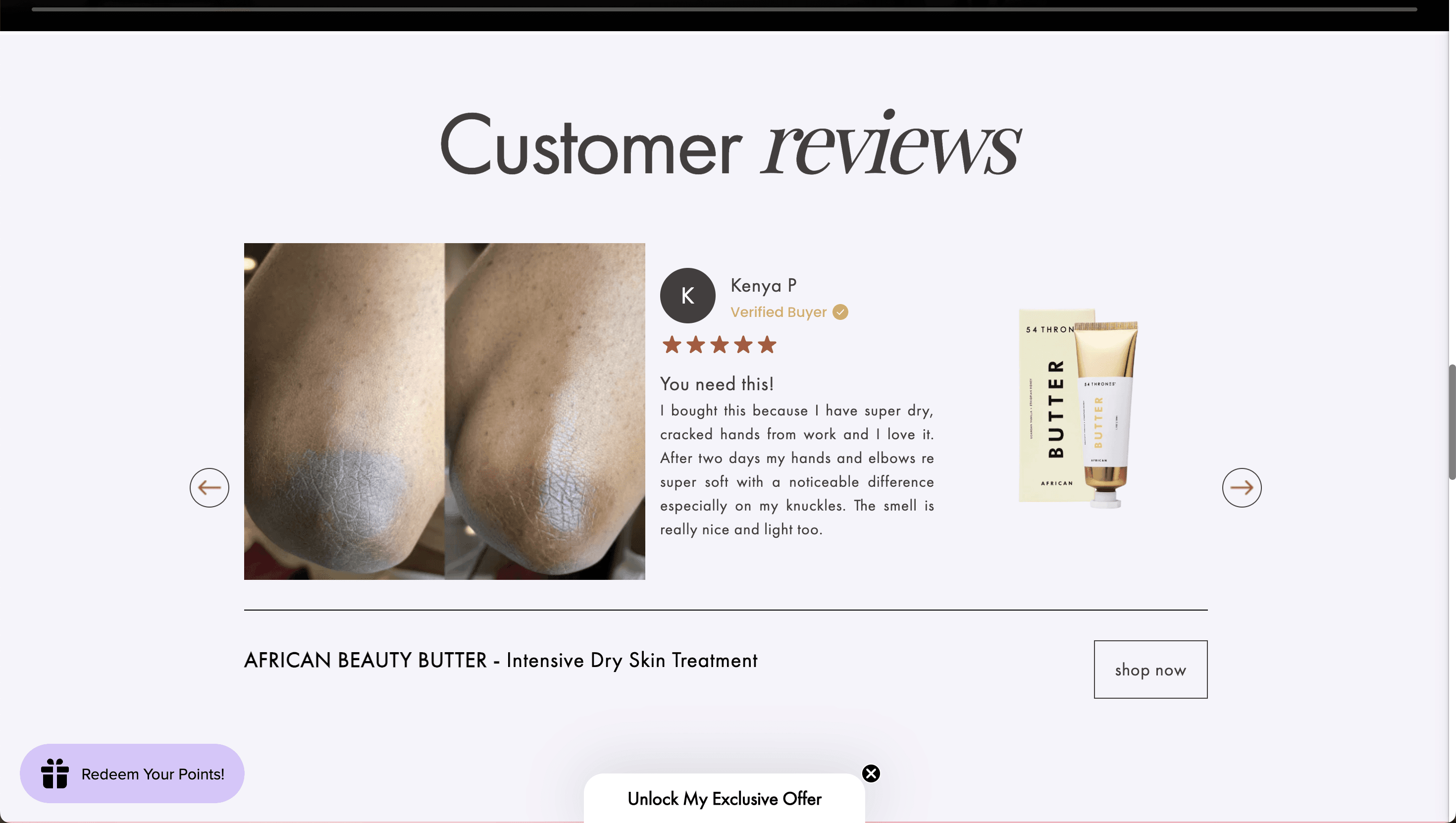
Elevates reviews and social proof.
Guides users towards relevant product suggestions.
The redesigned experience aligns both business goals (conversion and retention) and user goals (clarity and confidence).
This project reinforced that:
Skincare purchases are emotional and research-driven.
Transparency directly impacts conversion.
Removing friction can be as powerful as adding features.
Iterative testing strengthens both usability and brand perception.
Usability feedback refines trust and improves flow clarity by:
Reducing navigation friction and strengthening orientation cues.
Adding breadcrumb clarity.
Improving button feedback states.
Adjusting menu sizing and hierarchy.
Through affinity mapping, persona development, and journey mapping, I identified that users need:
Tangible ingredient transparency
Clear guidance on product usage
Validation from other customers
Assurance that brand values align with their own
Without those elements, hesitation increases and conversions drop.
Building a transparent guided shopping experience, shifting from product display to educational, confidence-driven design.